Have you ever received a message containing only “….” and wondered what the sender was trying to say? 🤔
You’re not alone.
In today’s digital world, punctuation marks often carry meanings beyond their grammatical purpose.
Among these symbols, four dots (….) have become a popular way to express emotions, reactions, and unspoken thoughts in text messages, social media posts, and online conversations.
Unlike standard abbreviations such as LOL or BRB, the meaning of …. in text depends heavily on the context of the conversation.
Sometimes it signals silence, sometimes disappointment, and other times it creates suspense.
This guide explains everything you need to know about …. meaning in text, including its origin, common interpretations, examples, and usage across different platforms.
What Does …. Mean in Text?
The symbol “….” typically represents a pause, silence, hesitation, or an unfinished thought. It allows the sender to communicate emotions without explicitly stating them.
Common meanings include:
- Thinking or reflecting 🤔
- Speechlessness 😶
- Disappointment 😒
- Awkward silence 😅
- Suspense 👀
- Confusion 🤨
- Frustration 😑
The exact meaning depends on the surrounding conversation and the relationship between the people involved.
Quick Definition Table
| Symbol | Meaning |
|---|---|
| …. | Thinking |
| …. | Awkward silence |
| …. | Speechless reaction |
| …. | Disappointment |
| …. | Frustration |
| …. | Suspense |
| …. | Unfinished thought |
Origin of …. in Text Messaging
The use of dots to indicate pauses dates back centuries in written language. Traditionally, an ellipsis consists of three dots (…), used to show omitted words or unfinished thoughts.
As digital communication evolved, many users began extending the ellipsis to four dots or more. The additional dot often adds emphasis or emotional weight.
Over time, …. became a popular texting symbol because it:
- Conveys emotion quickly
- Creates dramatic pauses
- Mimics real-life silence
- Expresses feelings without words
Today, it is commonly seen on messaging apps, forums, social media platforms, and online communities.
…. Meaning as a Pause
One of the most common meanings of …. is simply a pause.
Just as people pause while speaking, they use dots to create a pause in written conversations.
Example
Person A:
“I have something important to tell you….”
Person B:
“What is it?”
In this case, the dots create anticipation and signal a pause before continuing.
…. Meaning as Thinking
Many people send …. when they are thinking or trying to process information.
Examples
- “Let me think about that….”
- “I’m not sure….”
- “Maybe….”
The dots indicate uncertainty or contemplation.
…. Meaning as Speechlessness
Sometimes words aren’t enough. When people are shocked or don’t know how to respond, they may send only ….
Example
Person A:
“I accidentally deleted the entire project.”
Person B:
“….”
The response suggests speechlessness or disbelief.
…. Meaning as Disappointment
Four dots often communicate disappointment without directly expressing it.
Example
Person A:
“I forgot your birthday.”
Person B:
“….”
The receiver may be upset, disappointed, or hurt.
In such cases, the dots act as an emotional response.
…. Meaning as Frustration
People sometimes use …. to show annoyance or frustration.
Examples
- “Seriously….”
- “You did that again….”
- “Okay….”
The dots add emotional weight and may suggest irritation.
…. Meaning as Awkward Silence
Online conversations can become awkward just like real-life interactions.
Using …. can represent that uncomfortable silence.
Example
Person A:
“I accidentally sent the message to my boss.”
Person B:
“….”
The silence speaks louder than words.
…. Meaning as Suspense
Writers and social media users often use four dots to create suspense.
Examples
- “Wait until you hear this….”
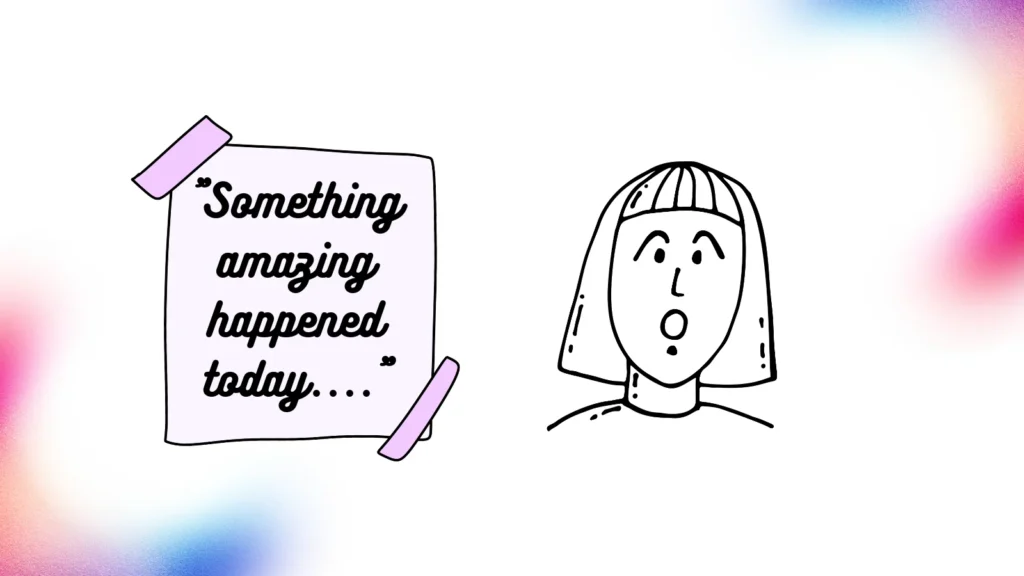
- “Something amazing happened today….”
- “The results are finally here….”
This usage keeps readers engaged and curious.
How …. Is Used on Social Media
On social media platforms, …. serves many purposes.
Common Uses
- Building anticipation
- Showing disbelief
- Expressing sarcasm
- Indicating confusion
- Creating dramatic effect
Social media users often combine dots with emojis for stronger emotional impact.
Examples:
- “Really…. 😑”
- “What just happened…. 😳”
- “I can’t believe it…. 😭”
Difference Between … and ….
Many users wonder whether three dots and four dots have different meanings.
| Symbol | Typical Use |
|---|---|
| … | Standard pause |
| …. | Stronger pause |
| … | Neutral |
| …. | More emotional |
| … | Traditional ellipsis |
| …. | Informal texting style |
While both indicate pauses, four dots often carry stronger emotional undertones.
Examples of …. in Everyday Conversations
Example 1
Friend:
“I failed the exam.”
Response:
“….”
Meaning:
Shock or sympathy.
Example 2
Friend:
“I ate your leftovers.”
Response:
“….”
Meaning:
Disappointment.
Example 3
Friend:
“Guess who won the lottery….”
Meaning:
Suspense.
Example 4
Friend:
“I’ll tell you later….”
Meaning:
Pause or mystery.
When You Should Use ….
Using …. can make conversations feel more natural and expressive.
Good situations include:
✅ Creating suspense
✅ Showing uncertainty
✅ Expressing speechlessness
✅ Adding emotional tone
✅ Mimicking real-life pauses
However, avoid overusing it in professional communication.
When Not to Use ….
In formal settings, excessive dots can appear unprofessional.
Avoid using …. in:
- Business emails
- Academic papers
- Job applications
- Professional reports
Instead, use clear and direct language.
Psychological Meaning Behind ….
Interestingly, the popularity of …. reflects how people communicate emotions online.
Because text lacks facial expressions and body language, punctuation helps fill the emotional gap.
The symbol can communicate:
- Hesitation
- Emotional processing
- Discomfort
- Curiosity
- Reflection
This makes it a powerful tool in digital communication.
Popular Interpretations of ….
Depending on context, …. may mean:
- “I don’t know what to say.”
- “I’m disappointed.”
- “I’m thinking.”
- “This is awkward.”
- “Wait for it.”
- “Seriously?”
- “I’m frustrated.”
- “I’m shocked.”
Always consider the surrounding conversation before interpreting the meaning.
Tips for Understanding …. Correctly
To understand the sender’s intent:
Consider Context
Read previous messages carefully.
Look at Tone
The overall tone often reveals the meaning.
Check Relationship
Friends may use dots differently than coworkers.
Watch for Emojis
Emojis can clarify emotional intent.
Example:
- “…. 😒” = frustration
- “…. 🤔” = thinking
- “…. 😅” = awkwardness
FAQs
What does …. mean in text messages?
It usually represents a pause, silence, hesitation, disappointment, or an unfinished thought.
Is …. negative?
Not always. It can be neutral, positive, or negative depending on context.
Why do people send only ….?
They may be speechless, thinking, shocked, disappointed, or unsure how to respond.
What is the difference between … and ….?
Three dots are a traditional ellipsis, while four dots often add stronger emotional emphasis in casual texting.
Does …. mean someone is angry?
Sometimes, but not necessarily. It may also indicate confusion, thoughtfulness, or surprise.
Is …. commonly used on social media?
Yes. Many users employ it to create suspense, express emotions, or add dramatic effect.
Conclusion
Understanding …. meaning in text is essential in today’s digital communication landscape.
While it may seem like a simple collection of dots, it can express a wide range of emotions, including hesitation, disappointment, confusion, speechlessness, suspense, and frustration.
The true meaning depends on context, tone, and the relationship between the people communicating.
Next time you receive a message containing …., don’t focus solely on the dots.
Consider the conversation around them, the sender’s personality, and the overall tone.
Doing so will help you interpret the message accurately and respond appropriately.